
Andrew Anderson Therapy
Individual & Couples Counseling
FAQ
Questions You Might Have
Reaching out to a therapist can bring up a lot of uncertainty.
These are some of the questions I hear most often.
If yours isn’t here, please don’t hesitate to ask.
What’s the difference between IFS and regular talk therapy?
In many forms of talk therapy, you describe what’s happening in your life and work toward insight about it. IFS does something different: it invites you into a direct, experiential relationship with your inner world. Rather than talking about your anxiety, your grief, or your self-doubt, IFS helps you turn toward those parts of yourself — get to know them, understand what they’re carrying, and begin to heal them from the inside out. Clients often describe it as feeling more alive, more real, and more lasting than other approaches they’ve tried. For more on how IFS and my background inform individual sessions, see this post.
What is IFIO, and how is it different from other couples therapy?
IFIO (Intimacy from the Inside Out) is a couples therapy model developed from the IFS framework. Unlike approaches that focus primarily on communication techniques or conflict resolution skills, IFIO works with both partners’ inner worlds simultaneously. It helps each person understand which parts of them are showing up in the relationship — and how to step back from those parts enough to speak and listen from a more open, grounded place. It’s experiential, compassionate, and often feels genuinely different from anything couples have tried before. For a deeper look at this approach, see my post on couples therapy in Hoboken, NJ.
Do I need to know anything about IFS before starting?
Not at all. I’ll guide you through everything. Whether you’ve been in therapy for years or this is your first time, we’ll begin wherever you are.
Do you offer in-person sessions?
Yes — I’m now seeing clients in person at my Hoboken, NJ office. My location is convenient for people coming from Jersey City, Weehawken, and across the Hudson from New York City. I also continue to offer virtual sessions to clients throughout New Jersey.
How long are sessions, and how often will we meet?
Individual sessions are 45 minutes. Couples sessions are typically 60 minutes. Most clients begin meeting weekly, which allows us to build momentum and trust. We’ll discuss what rhythm makes sense for you.
Do you work with a specific type of person?
I work with adults — individuals and couples or families. I’m open to whoever you are. You don’t need a specific diagnosis or life circumstance to benefit from this work. If I had to name one thing I hope clients bring with them, it’s some willingness — even imperfect, even a little afraid — to try.
What if I’ve tried therapy before and it didn’t really help?
When I hear this I take it seriously. IFS is distinct enough from many conventional therapy approaches that people who felt “stuck” in previous work often find something genuinely different here. That said, I’ll never promise outcomes I can’t guarantee. What I will promise is that I’ll show up fully, try my best to deliver these models well, and be honest with you about how I think our work is going.
What is a consultation, and what should I expect?
A consultation is a brief, no-pressure conversation — usually about 15–20 minutes — where you can ask questions, share a little about what’s bringing you to therapy, and get a sense of whether working with me feels like the right fit. I’ll share how I work and what we might do together. There’s no commitment required.
Is therapy confidential?
Yes. Everything we discuss is protected by strict confidentiality laws. There are limited exceptions required by law — including if someone is at imminent risk of harm to themselves or others, or in cases of suspected child abuse — and I’ll review these with you. Within those boundaries, what happens in our sessions stays between us.
Investment FAQs
Please review the Investment page for additional information. Get in touch →
What are your fees?
I am an out-of-network provider, meaning I do not accept insurance plans. Please review the investment page to understand more about my fees and utilizing your out-of-network benefits.
–
IFS Therapy for Individuals:
$250 for 45 minute sessions
–
IFIO for Couples or Families:
$350 for 60 minute sessions
–
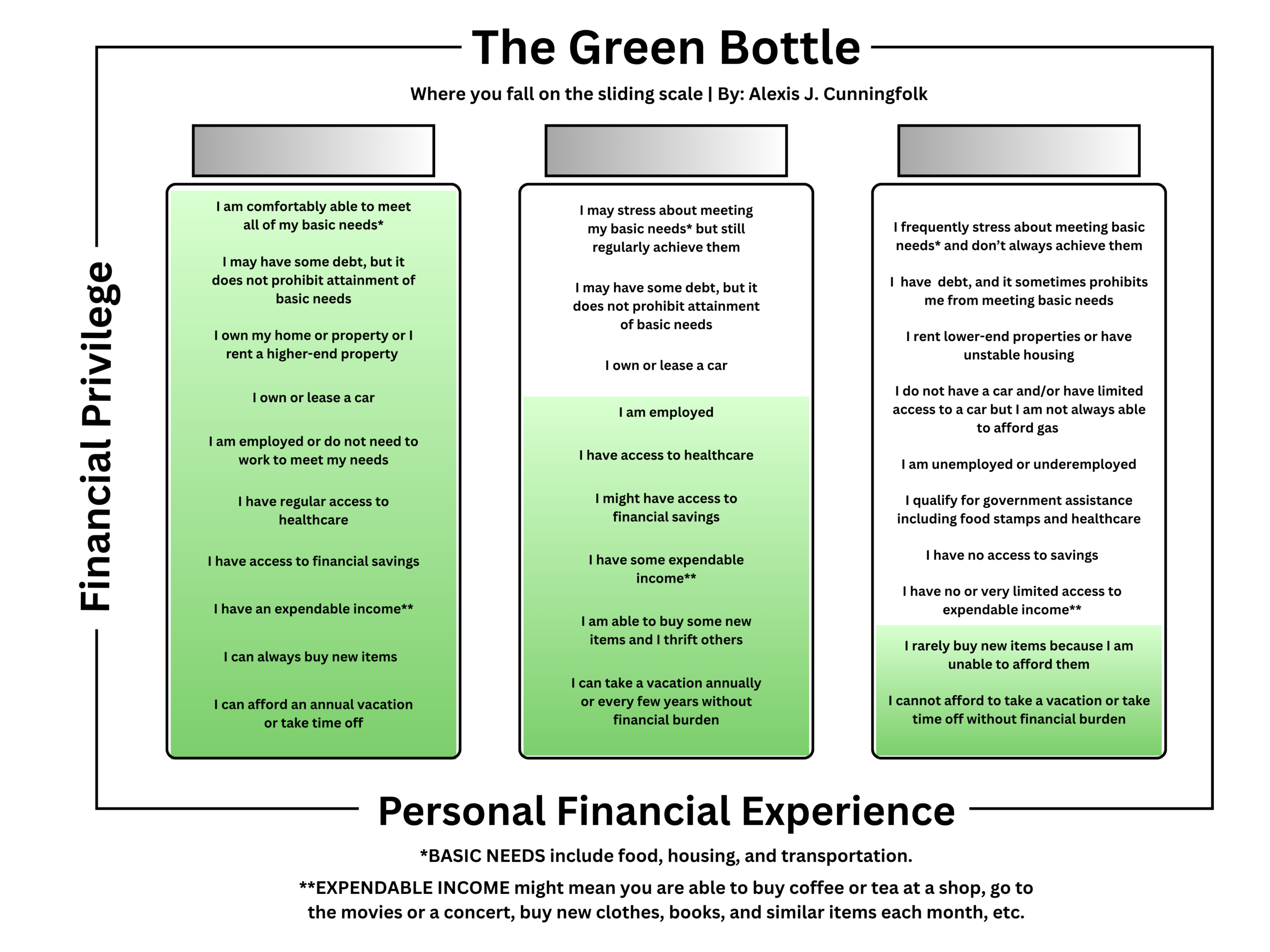
Limited sliding scale spots are available. Sliding scale is determined using the Green Bottle Method, developed by Alexis J. Cunningfolk. Please reach out for more information.
–
Any changes made to the calendar not communicated prior to 48-hours of scheduled appointment times will result in a cancellation fee. I appreciate communication and collaboration on logistics, and I am very understanding of the efforts logistics require.
What does “out of network benefits” mean?
If your health insurance plan includes out-of-network mental health benefits, it means your insurance may reimburse you for a portion of therapy costs even when your therapist doesn’t bill them directly. To find out if you have OON benefits, you can call the member services number on the back of your insurance card and ask: “Do I have out-of-network mental health benefits, and what is my reimbursement rate and deductible?”
How long do I need to be in therapy?
This is one of the most honest questions you can ask, and the honest answer is: it depends. Some people come to therapy with a specific challenge and find meaningful relief in a focused period of work — several sessions, or a few months. Others find that the deeper they go, the more they want to continue — not because something is wrong, but because the work keeps offering something valuable; practice for all they are learning and experiencing differently.
IFS in particular tends to be a longer-term process, not because it’s slow, but because it’s deep. We’re not managing symptoms from the surface — we’re building real relationships with parts of you that have often been carrying weight for a very long time. That kind of change takes the time it takes, and it’s usually worth it.
That said, IFS can also move incredibly quickly, because clients report it feeling as an entirely new, eye-opening way to relate to themselves and others; that kind of relational work done here can have profound impacts right away.
What I can tell you is this: we’ll check in regularly about how the work is going, and what you need for you.
What is a Good Faith Estimate?
Under the No Surprises Act — a federal law that went into effect in 2022 — you have the right to receive a Good Faith Estimate of expected therapy costs before we begin working together. This is a written document outlining the anticipated cost of services so that you can make informed decisions without unexpected financial surprises.
As a private pay provider, I provide Good Faith Estimates to all clients who request one, as well as to clients who do not have insurance or who are not planning to use insurance for our work together. It is not a bill, and the actual cost of your care may vary depending on how many sessions we have and how long we work together.
If you have any questions about your Good Faith Estimate or what to expect financially, please don’t hesitate to ask. Transparency is an important part of our work.
Ready to begin?
I’d love to hear from you.